A headband is a useful accessory that adds style to your hair while keeping it away from your face. It is available in many colors, shapes, and materials. You can wear one with almost any hair length. Adding it to your everyday hairstyle is a simple and easy way to refresh it.
Looking for a quick way to improve your hairstyle? A headband can help you create a beautiful look in just a few seconds. It works well with simple hairstyles and adds personality without requiring much effort. You can choose a design that suits your mood and personal style.
Headbands offer many styling options for different occasions. They look great with loose curls, straight hair, a ponytail, or a bun. Simple designs are ideal for daily activities, while decorative styles suit celebrations and parties. With a few easy ideas, you can make this accessory a regular part of your wardrobe.
What Is a Headband?
A headband is an accessory designed to hold hair away from the forehead and face. It comes in different materials, including cloth, plastic, metal, and elastic. Some designs are flexible, while others keep their shape. This variety makes headbands suitable for many hairstyles.
A simple hairstyle can also be made more interesting with a headband. You can wear one with open hair, a ponytail, or a neat bun. Plain designs offer a clean appearance, while bows, pearls, and other details add decoration. There is a suitable option for both everyday outfits and special events.
Choosing a headband depends on your needs and personal preferences. You might select a neutral shade for daily use or a bright color to create contrast. Some designs work better with certain hair textures, but you can experiment with different options. The goal is to find an accessory that complements your look.
How to Wear a Headband
First, select a headband that suits your hairstyle and feels comfortable. Brush your hair gently, then slide the band into position. You can place it near your hairline or move it slightly farther back. Adjust it until it holds your hair without creating pressure.
A headband works with many hairstyles. Wear it with your hair down for a relaxed appearance or pair it with a ponytail for a tidy finish. Soft waves and loose strands can create a gentle look around your face. Choose the arrangement that makes you feel comfortable.
Consider the occasion when selecting your headband. A plain design is useful for work, shopping, or everyday activities. A patterned or decorated option can add interest to a party outfit. Try different placements and styles until you discover the looks you enjoy most.
Types of Headbands
Headbands are available in a wide range of designs and materials. Each type offers a different appearance and level of comfort. Some are suitable for everyday outfits, while others add a decorative touch to special clothing. Your hairstyle and personal taste can help you choose the right option.
Fabric bands create a relaxed appearance, while padded styles add structure and detail. Braided and knotted designs bring extra texture to your look. Thin headbands are useful when you prefer a subtle accessory. Consider these popular options when choosing your next headband.
| Type of Headband | Best For |
| Fabric Headband | Relaxed everyday looks |
| Padded Headband | Dressy and polished styles |
| Knotted Headband | Modern casual outfits |
| Braided Headband | Textured, feminine looks |
| Thin Headband | Minimal hairstyles |
| Wide Headband | Eye-catching styles |
| Pearl Headband | Weddings and celebrations |
| Elastic Headband | Exercise and active days |
| Plastic Headband | Simple daily styling |
| Satin Headband | Elegant outfits |
Headbands for Face Shapes
Your face shape can help you explore headband styles that complement your features. Some designs create a bold effect, while others offer a softer appearance. Think about the overall look you want rather than following strict styling rules. Comfort and personal preference matter just as much.
For a round face, a slim or slightly raised design may create a more elongated appearance. Soft fabric bands and curved styles can complement a square face. If your face is oval, you can experiment with narrow, wide, padded, or braided options. Different designs can give your hairstyle a fresh look.
For a heart-shaped face, try a simple band or one with gentle details. Leaving a few strands loose around your cheeks can create a balanced appearance. Experiment with different widths and colors to see what you like. These suggestions are only a starting point, so choose whatever makes you feel confident.
Headbands for Short Hair
A headband can add personality to short hairstyles without requiring much styling. It works well with pixie cuts, short bobs, and other cropped looks. Narrow designs create a subtle finish, while wider bands make a stronger statement. Choose an option that complements your haircut.
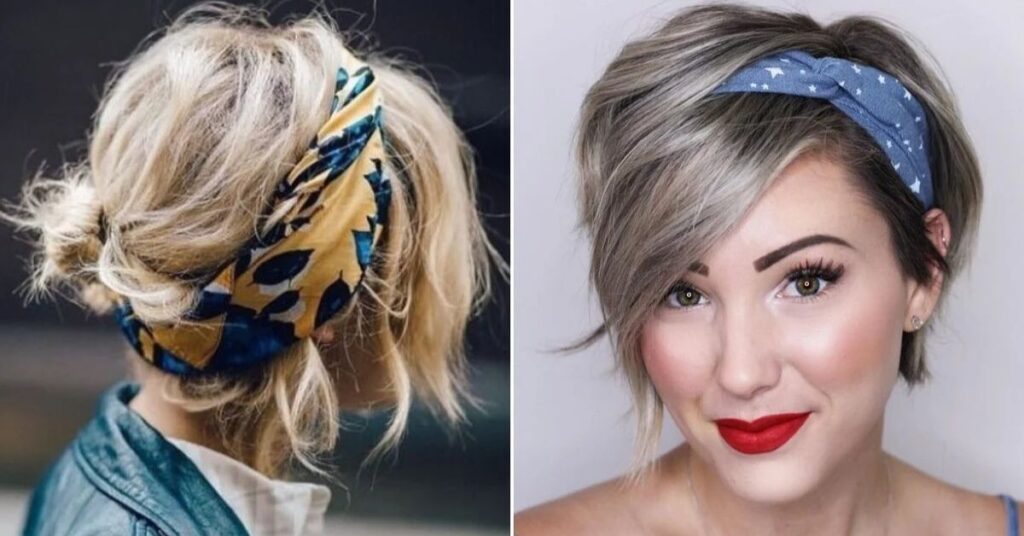
For straight, short hair, a slim headband can create a clean appearance. Padded or twisted designs add extra detail and texture. Bright shades can also bring color to a simple hairstyle. Make sure the band fits properly and does not slide around as you move.
You can wear a soft fabric band with a textured bob for a relaxed look. For an evening event, try a satin or pearl design. Tucking your hair behind your ears can give your style a neat finish. Test a few options to discover which designs work best for your hair.
Headbands for Long Hair
Long hair offers plenty of ways to style a headband. You can wear it with sleek strands, loose curls, or gentle waves. The accessory can keep hair away from your forehead while adding a finishing touch. It is also a quick option when you want to change your look.
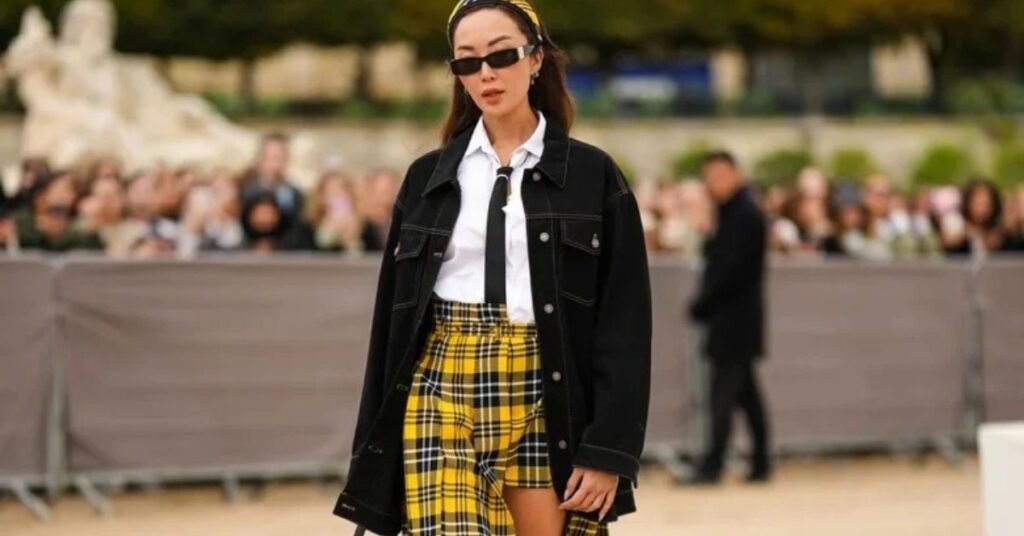
For everyday outfits, try a plain fabric band or a slim design. Padded headbands can add structure, while knotted styles create a playful effect. Floral and pearl details are useful when you want something more decorative. Choose a shade that blends with your clothes or adds a little contrast.
You can also combine a headband with a high ponytail, low bun, or half-up hairstyle. Leave a few strands loose if you prefer a softer appearance. Position the band so it holds your hair without pulling at the roots. A comfortable fit helps you enjoy your style throughout the day.
Headbands for Curly Hair
Headbands can complement natural curls while keeping hair away from your face. They provide a simple way to accessorize without changing your curl pattern. Soft, stretchy, and fabric designs can be comfortable choices. Look for a band that works with the volume and texture of your hair.
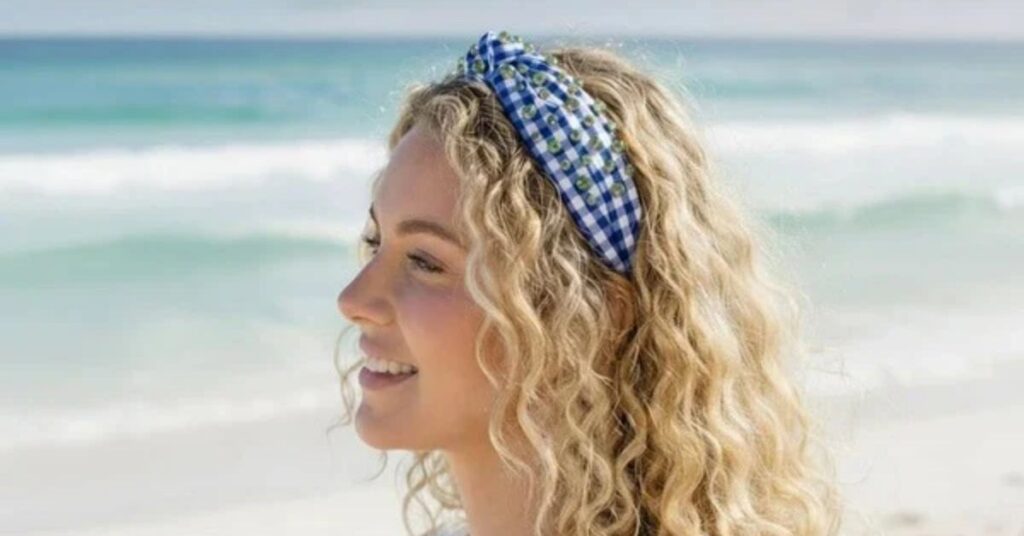
A wide headband can create a striking look with loose curls. Knotted designs and bright colors add interest to casual outfits. If you prefer a subtle accessory, choose a narrow band. Avoid options that squeeze your curls too tightly or flatten the shape you want to keep.
Try wearing a headband with loose curls, a curly ponytail, or a relaxed bun. Allow a few curls to fall around your face for a natural finish. Choose smooth materials that feel gentle against your hair. With the right fit, a headband can complement your curls without hiding their natural beauty.
Headbands for Straight Hair
Straight hair pairs well with headbands of many sizes and designs. A narrow band creates a simple finish, while a wider one adds more visual interest. You can use these accessories with short bobs or long, sleek hair. The right choice can make a basic hairstyle feel more put together.
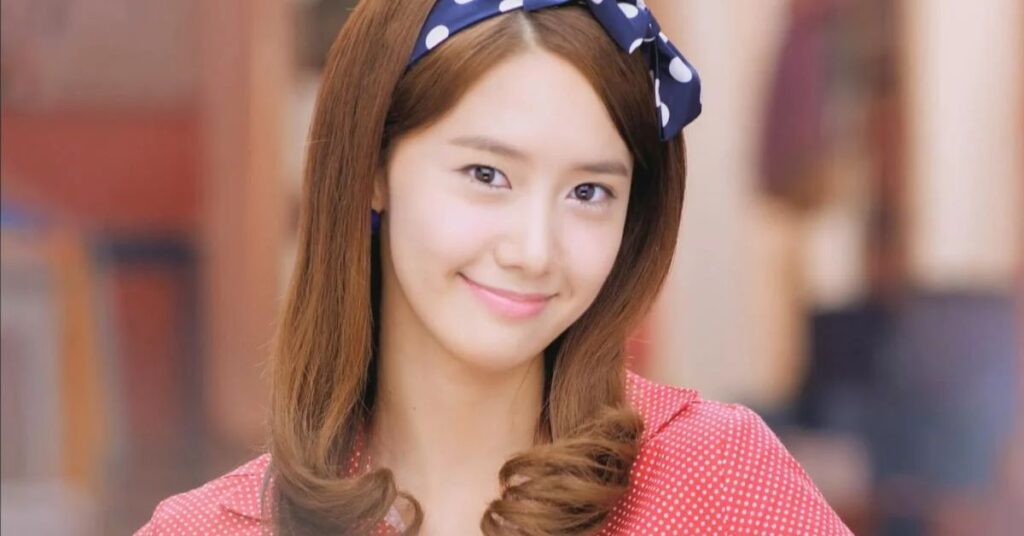
For daily styling, consider a plain fabric band or a lightweight plastic design. Padded options add a little detail, while printed styles bring color to your look. Brush your hair before putting on the band to remove tangles. This helps create a smooth and tidy appearance.
You can wear a headband with your hair loose or tied back. Pair it with a low bun for a refined look or a ponytail for a practical style. If you prefer a casual appearance, leave your hair down. Choose a band that stays in place without pulling or causing discomfort.
Headbands With Buns and Ponytails
Adding a headband to a bun or ponytail can make your hairstyle look more finished. It helps manage loose strands and adds detail near your face. A narrow band works well with a high ponytail, while a padded design can bring more character to a simple bun.
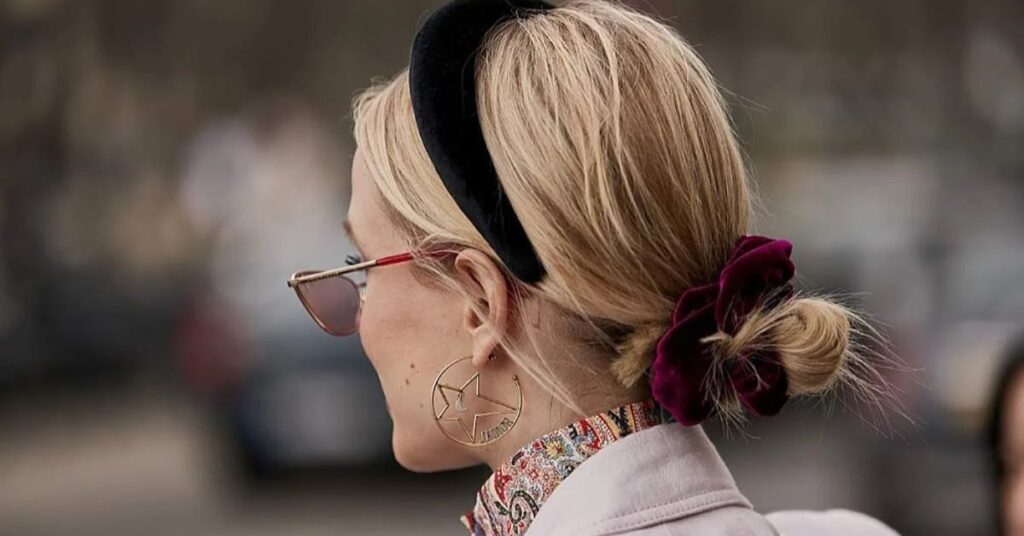
For relaxed days, wear a fabric headband with a messy bun or low ponytail. A smooth, plain design can complement a neat hairstyle for work or an outing. Colorful bands can make basic clothing feel more playful. Choose an option that suits the mood of your outfit.
Put your hair into a bun or ponytail first, then position the headband comfortably. Adjust any loose strands and check that the band stays secure. You can leave a few pieces around your face for a softer effect. Avoid a fit that feels tight or creates pressure during the day.
Matching Headbands With Outfits
A well-chosen headband can bring your outfit and hairstyle together. Start with colors that complement the clothes you plan to wear. Neutral shades such as black, cream, and brown are easy to combine with different looks. Bright colors and prints can add a lively detail to plain clothing.
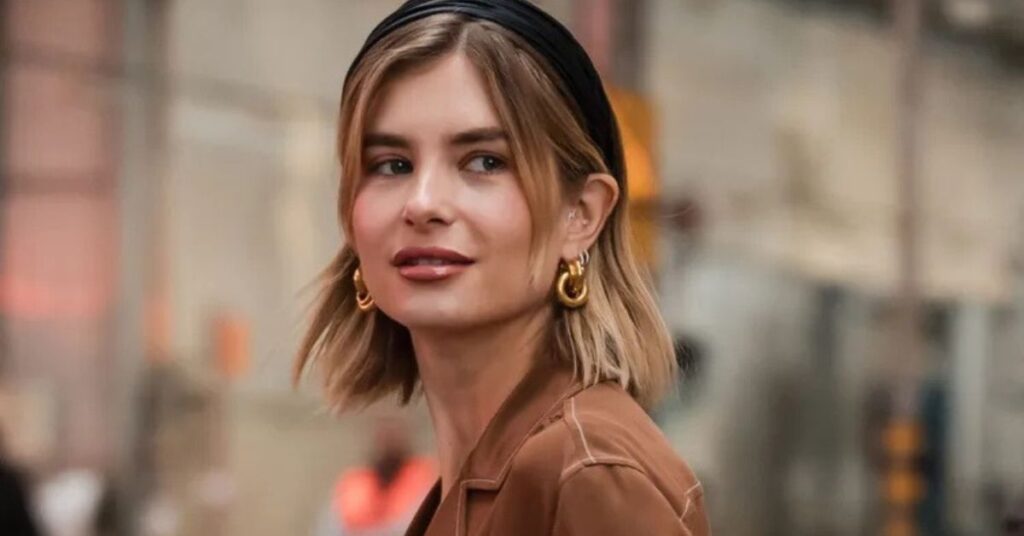
For a relaxed outfit, wear a fabric or knotted headband with jeans and a simple top. Satin and padded designs can work nicely with dresses or smart casual clothing. You might also coordinate the headband with your bag, shoes, or jewelry. Keep the overall combination balanced rather than matching every detail.
For celebrations, consider a headband with pearls, bows, or shiny accents. These designs can complement party dresses and formal outfits. You can also use a contrasting color to make the accessory stand out. Try different combinations until you find a look that feels natural and suits your style.
Casual and Formal Headbands
Casual headbands are useful for daily activities and relaxed outings. Fabric, cotton, and elastic styles often offer a comfortable feel. They pair easily with jeans, T-shirts, and simple dresses. Choose an everyday design that stays in place while you move.
Formal headbands usually feature more decorative details. Satin finishes, pearl accents, and padded shapes can complement outfits for weddings, parties, and dinners. Pair these accessories with dresses or other occasion wear. Select a design that adds interest without overpowering your overall look.
Think about where you are going before choosing a headband. A plain style may suit a busy day, while a decorative one can make an event outfit feel special. Color and material can also influence the final appearance. Above all, select a band that feels good to wear.
Common Styling Mistakes
A headband that is too tight can make your head feel uncomfortable. Choose a size that holds your hair gently without pulling at the roots. If it leaves marks or causes pressure, try a different design. Comfort should always be part of your styling choice.
Another mistake is choosing colors or patterns that compete with the rest of your outfit. You can avoid this by considering your clothing before selecting an accessory. A neutral band works well with many looks, while a bright one can add a clear accent. Aim for a combination that feels balanced.
Your hair type and hairstyle also affect how a headband looks. Some designs may slide on smooth hair or flatten curls. Others may not hold thicker hair securely. Try different materials and placements to find a suitable option. Small adjustments can make your hairstyle look more natural.
Tips for a Secure Fit
Select a headband that fits comfortably around your head. It should keep your hair in place without pressing too firmly against your skin. Flexible materials may provide a more comfortable fit for longer wear. Check the size before choosing a design.
Position the band where you want it, then move it gently until it feels secure. If it slips, use small hairpins to hold it in place. Place the pins discreetly so they blend with your hair. Avoid forcing the band into a position that feels uncomfortable.
Brush away tangles before putting on your headband. If your hair is very smooth, a little texture may help some styles stay in place. Choose a design suited to your hair’s thickness and texture. A proper fit can help your hairstyle stay neat without constant adjustments.
Final Thoughts
Headbands offer an easy way to change your hairstyle and add a personal touch. They work with short cuts, long locks, curls, and straight hair. You can select simple designs for everyday outfits or decorative styles for special occasions. A suitable accessory can make even a basic hairstyle feel fresh.
Experiment with different colors, shapes, and ways of wearing your headband. Choose comfort alongside appearance, and avoid designs that pull or slip throughout the day. There is no single rule for styling this accessory. Find the options you enjoy, and use them to express your own sense of style.
One thought on "How to Wear a Headband to Elevate Your Style"